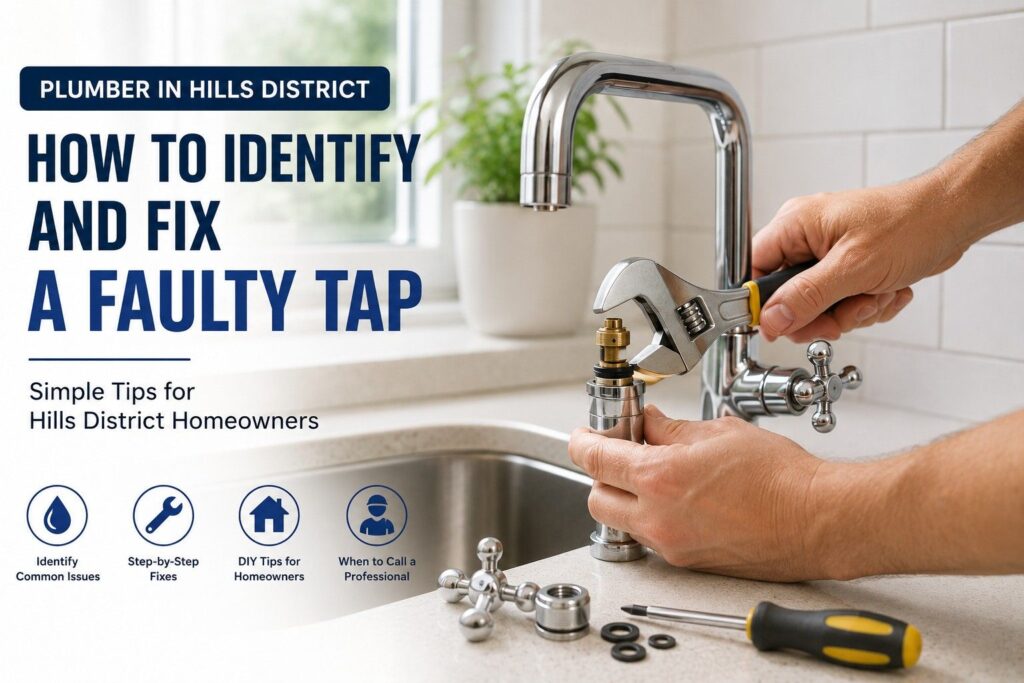
A faulty tap may seem like a small plumbing issue, but ignoring it can lead to wasted water, higher water bills and, in some cases, more serious plumbing problems. A tap that drips constantly, makes unusual noises or becomes difficult to turn is often showing signs that something inside needs attention.
For homeowners, knowing how to identify common tap problems can help you understand whether a simple repair is possible or whether it is time to call a professional plumber in Hills District.
In this guide, we explain the most common signs of a faulty tap, what may be causing the problem and what you can do before calling a professional.
What Are the Signs of a Faulty Tap?
The first step is identifying what is actually wrong with your tap. Different symptoms can point to different problems.
Here are some of the most common signs to look for.
1. The Tap Keeps Dripping
A dripping tap is one of the most obvious signs of a problem.
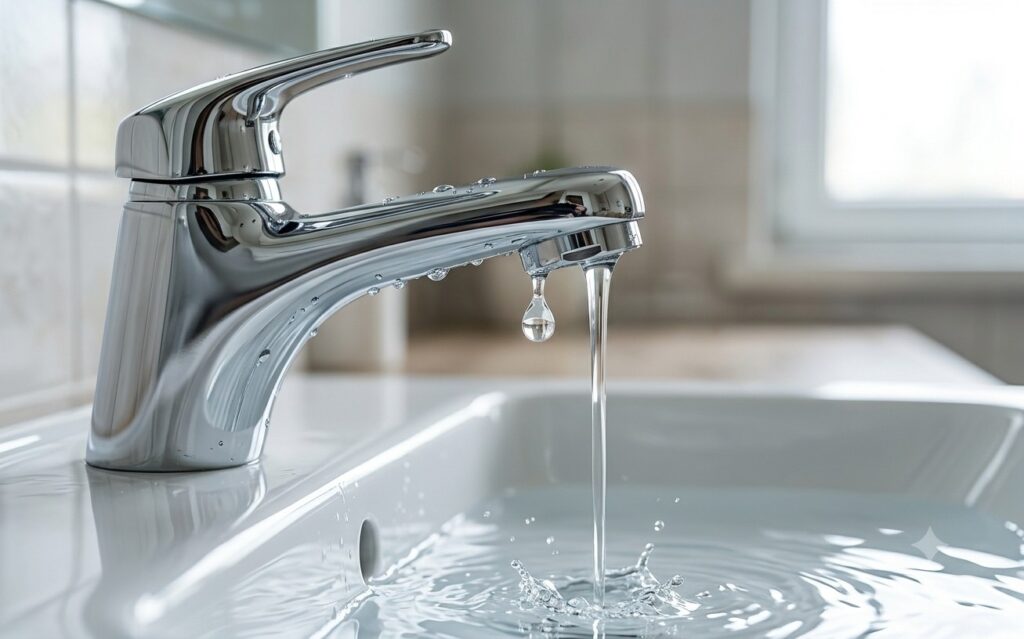
You may notice water continuing to drip even after the tap has been completely turned off. While a single drop may not seem like a major concern, a tap that continues dripping throughout the day can waste a significant amount of water over time.
A dripping tap can be caused by:
- A worn-out washer
- A damaged cartridge
- A loose component
- A worn valve seat
- Corrosion inside the tap
- Incorrect installation
If replacing a washer or tightening a component does not solve the problem, it may be worth contacting a plumber in Hills District to inspect the tap.
2. The Tap Is Difficult to Turn
If your tap has suddenly become difficult to turn, do not force it.
A stiff tap handle can be caused by mineral deposits, corrosion, worn internal components or a damaged cartridge. Applying too much force can potentially damage the handle or internal mechanism and turn a relatively simple repair into a bigger plumbing issue.
If the tap is becoming increasingly difficult to operate, a professional local plumber in Hills District can inspect the internal components and determine whether the tap can be repaired or needs replacement.
3. Water Is Leaking Around the Base
Another common problem is water appearing around the base of the tap.
This can happen when the seals or O-rings inside the tap become worn or damaged. In some cases, the tap may also have become loose where it connects to the sink.
Start by drying the area completely and then turn the tap on. Watch carefully to see where the water is coming from.
If water appears around the base rather than from the outlet, the issue may require the tap to be dismantled and its seals or connections inspected.
If you are unsure where the leak is coming from, contacting a plumber in Hills District can help prevent unnecessary damage to the sink or surrounding cabinetry.
4. The Tap Has Low Water Pressure
Low water pressure can make everyday tasks frustrating.
If water is coming out of the tap much more slowly than usual, the problem may be caused by a blocked aerator. The small screen fitted to the end of many taps can collect mineral deposits and debris over time.
Before assuming there is a major plumbing problem, check whether the issue affects:
- One tap only
- Several taps
- Hot water only
- Cold water only
- The entire property
If only one tap has low pressure, the aerator or tap itself could be responsible. If several fixtures are affected, there may be a wider plumbing issue that requires professional inspection.
A qualified plumber in Hills District can help determine whether the problem is isolated to the tap or related to the property’s plumbing system.
5. The Tap Makes Strange Noises
A tap should generally operate quietly.
If you hear rattling, whistling, banging or vibrating noises when turning the tap on or off, there could be an issue with water pressure, loose components or the tap’s internal mechanism.
Some noises may be minor, but persistent sounds should not be ignored.
If the noise is accompanied by changes in water pressure or leaking, it is best to have the tap inspected by a professional.
Can You Fix a Faulty Tap Yourself?
Some minor tap problems can potentially be addressed with basic tools and replacement parts. However, it is important to know your limits.
Before attempting any repair, turn off the water supply to the tap. This helps prevent water from flowing while you work.
For a simple tap repair, you may need:
- An adjustable wrench
- Screwdriver
- Replacement washer or cartridge
- Replacement O-rings
- Cloth or towel
- Cleaning solution for mineral deposits
The exact parts required will depend on the type and model of the tap.
If you are not confident identifying the correct component, forcing a part loose or attempting a repair without shutting off the water supply can make the problem worse.
In these situations, calling a local plumber in Hills District is often the safer option.
How to Fix a Dripping Tap
If you have identified a simple dripping problem and are comfortable carrying out minor maintenance, the first step is to turn off the water supply.
Step 1: Turn Off the Water
Locate the isolation valve underneath the sink and turn it off. Open the tap briefly to release any remaining water pressure.
Step 2: Remove the Handle
Depending on the tap design, you may need to remove a decorative cap or screw before taking off the handle.
Keep small components somewhere safe so they do not get lost.
Step 3: Inspect the Internal Component
Once the handle has been removed, inspect the washer, cartridge or other internal components for signs of wear or damage.
A worn washer or cartridge is a common reason for persistent dripping.
Step 4: Replace the Damaged Component
If you have identified the correct replacement part, install it carefully and reassemble the tap.
Avoid overtightening components, as excessive force can damage threads or seals.
Step 5: Turn the Water Back On
Slowly restore the water supply and test the tap.
Check for leaks around the handle, base and connections. Turn the tap on and off several times to make sure it is operating correctly.
If the tap continues to drip or leak, the issue may be more complicated than a simple component replacement.
When Should You Call a Plumber?
Not every tap problem should be treated as a DIY repair.
You should consider contacting a professional plumber in Hills District if:
- The leak continues after replacing a component
- You cannot identify the source of the leak
- The tap is badly corroded
- The tap is difficult to dismantle
- Water is leaking underneath the sink
- Multiple fixtures have low water pressure
- You notice signs of water damage
- The tap needs complete replacement
- You are unsure how to safely isolate the water supply
A professional can inspect the tap, identify the underlying cause and recommend the appropriate repair or replacement.
Repair or Replace: Which Is Better?
Sometimes repairing a tap makes sense. In other situations, replacement may be the more practical option.
A tap may be worth repairing when the problem is caused by a replaceable washer, cartridge or seal and the rest of the fixture is in good condition.
Replacement may be more appropriate when:
- The tap is heavily corroded
- Multiple components are damaged
- Replacement parts are difficult to find
- The tap is very old
- The fixture has recurring problems
- Repair costs are close to the cost of a new tap
A professional plumber in Hills District can assess the condition of the fixture and help you determine whether repair or replacement is the better long-term option.
Why Local Plumbing Experience Matters
Choosing a local professional can be particularly useful when dealing with recurring plumbing problems.
A local plumber in Hills District can provide services for homes across the local area and may be available for both routine repairs and more urgent plumbing problems.
Instead of repeatedly trying temporary fixes, having a professional inspect the issue can help identify the underlying cause and prevent the same problem from returning.
This is particularly important if your tap problem is accompanied by other issues such as low water pressure, leaks or drainage problems.
How to Prevent Tap Problems
Regular maintenance can help extend the life of your taps and prevent small issues from becoming expensive repairs.
Here are a few simple maintenance tips:
Clean Tap Aerators
Remove and clean aerators periodically to prevent mineral deposits and debris from restricting water flow.
Don’t Overtighten Taps
Turning a tap off excessively hard can put unnecessary pressure on internal components and seals.
Check for Small Leaks
Regularly inspect the area around taps and underneath sinks for moisture or water stains.
Address Problems Early
A small drip may be easy to fix today but can become more complicated if components continue to deteriorate.
Know Where Your Isolation Valves Are
Knowing how to turn off the water supply can be extremely useful if a tap suddenly develops a major leak.
Need a Plumber in Hills District?
A faulty tap is often easy to overlook, especially when the problem starts with a small drip or slightly reduced water pressure. However, addressing plumbing issues early can help prevent wasted water and more serious damage.
If you can identify the problem and have experience with basic plumbing maintenance, a simple component replacement may resolve the issue. However, persistent leaks, damaged fixtures, hidden leaks and wider water-pressure problems should be assessed by a professional.
When you need help diagnosing or repairing a faulty tap, a reliable plumber in Hills District can inspect the problem and recommend the right solution.
Whether you need a tap repaired, replaced or inspected, choosing an experienced local plumber in Hills District can help ensure the work is completed safely and correctly.